Alpha Vets’ Dental and Diet Tips for Rabbits and Guinea pigs
February 13, 2025


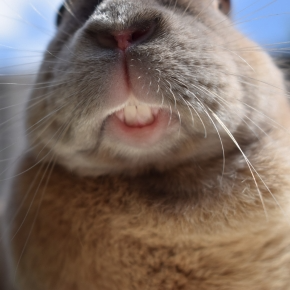
Many of the health problems we see in rabbits and guinea pigs at Alpha Veterinary Surgery originate from dental problems, which can quickly become an emergency if your pet’s ability to graze all day is affected. This is why it’s so important to keep a close eye on their teeth.
If you spot any of the signs below, call us on 0208 943 2303 straight away to book a vet appointment.
To help avoid an emergency, Alpha Vets’ team advise bringing your rabbit or guinea pig in for 6-month check-ups so we can spot and treat any issues early.
Key facts about rabbit and guinea pig dental problems
Alpha Vets’ team advise that an unwell rabbit or guinea pig with dental problems may seem dull, hunched, and generally disinterested. Most dental problems in rabbits and guinea pigs are linked to lack of normal wear of the teeth because their foods are often too low in fibre. This causes uneven tooth wear and produces sharp enamel points, known as spurs.
This can often be corrected by simply changing your pet’s diet to a more natural, high-fibre diet including an unlimited supply of hay. If your rabbit or guinea pig does have significantly elongated teeth, they will need trimming by one of our vets – never be tempted to clip teeth or trim them yourself.
Signs of rabbit and guinea pig dental issues include:
- Slowing down or stopping eating for more than 6 hours
- Weight loss
- Swelling of the jaw, particularly noticeable along the lower edge of the mandible
- Excessive salivation and drooling
- An inability to fully close the mouth
Both species, but mainly rabbits, can present with a watery eye with matting of the hair in the corner, or a swollen appearance of the eye caused by infections behind the eyeball. Alpha Vets’ team explain that overgrown or misaligned teeth can put pressure on the tear ducts, leading to excessive tearing and eye discharge.
Guinea pigs are more likely to show changes in chewing or drooling when they have dental issues. They are also more prone to molar problems, which can cause uneven tooth wear and lead to dental issues. Unlike rabbits, guinea pigs’ molars continue growing throughout their life, so proper wear is essential to prevent misalignment or overgrowth.
If you spot any of the signs above, call us on 0208 943 2303 straight away.
Alpha Vets’ 12 dietary tips for rabbits and guinea pigs
- The top advice for keeping your pet’s teeth in check is to provide a high-fibre diet with unlimited hay.
- Muesli-style diets should be avoided as they can lead to selective feeding and nutrient deficiencies.
- Offer dark leafy vegetables, like kale, spinach, spring greens, and rocket, as occasional treats. However, kale and spinach are high in calcium, which can cause kidney or bladder issues in guinea pigs if eaten in large quantities.
- Avoid iceberg lettuce as it can cause digestive upset and other health concerns.
- Safe herbs include parsley, coriander, basil, mint, dill, rosemary, thyme, and oregano. Limit parsley and basil due to their high calcium content.
- Bell peppers (red, green, yellow, and orange) are great in moderation for their vitamins and low sugar. Guinea pigs need vitamin C, as they can’t synthesise it like rabbits. Avoid seeds and stems.
- Carrots are a sweet, occasional treat but are high in natural sugar.
- Use high-fibre pellets in small amounts to balance the diet.
- Introduce new foods gradually and ensure they’re fresh and pesticide-free.
- Choose high-quality products.
- Discuss vitamin C supplementation for guinea pigs with our veterinary team.
- Ensure fresh water is always available.
If you would like tailored dental or nutritional advice for your rabbits or guinea pigs, please don’t hesitate to call us on 0208 943 2303 to arrange an appointment at our vet practice in Teddington.