Rabbit and Guinea Pig Autumn Adjustments from Alpha Vets
October 19, 2026


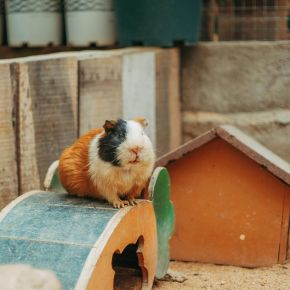
At Alpha Vets, we see many rabbit and guinea pig owners from across Greater London who are starting to think about adjusting for autumn. The seasonal shift can feel overwhelming, especially if it’s your first time navigating the cold weather as the owner of a small pet – but don’t worry, our friendly vets in Teddington are here to break things down with an easy checklist, so autumn can feel as enjoyable for your furry friend as it does for you!
If you have any questions or concerns about your guinea pig or rabbit, book a small pet health check with our friendly team at Alpha Vets today.
Book a small pet autumn check-up
1. Monitor temperature changes
Rabbits and guinea pigs are quite sensitive to temperature fluctuations, so as the weather starts to cool down in Greater London, keep a close eye on the temperature both outside and in their outdoor enclosures. Prolonged exposure to cold temperatures can lead to health issues like hypothermia and respiratory infections. The general rule for guinea pigs is that when temperatures consistently drop below 10°C (50°F), it’s time to consider moving them indoors. Rabbits can tolerate slightly cooler temperatures if their hutch is properly insulated and draught-free.
2. Assess weather conditions
Alpha Vets’ team advise that you should also monitor weather conditions such as rain, wind and frost. Even if temperatures are above 10°C, heavy rain or strong winds can make outdoor conditions uncomfortable or unsafe for your pets. If severe weather is predicted or you notice a significant drop in temperature, it’s wise to bring your rabbits and guinea pigs indoors for their comfort and safety.
3. Observe behavioural changes
Your pets’ behaviour can reveal if they’re feeling the chill. Signs such as huddling together, reduced activity or shivering suggest they’re too cold and could benefit from the warmth of being brought indoors.
4. Consider firework evenings and other ‘noisy’ events this season
Fireworks season, which typically runs from late October until early January, is also a factor to consider. Small furry pets have highly sensitive hearing, which helps them avoid predators in the wild but means the loud, sudden noises produced by fireworks can be extremely distressing. Our veterinary team want Greater London pet owners to understand that exposure to loud noises can lead to anxiety and panic in small pets, increasing the risk of some life-threatening conditions. If you’re worried about how your rabbit or guinea pig will cope this season, get in touch with our team for firework guidance tailored to your pet.
5. Prepare for indoor transition
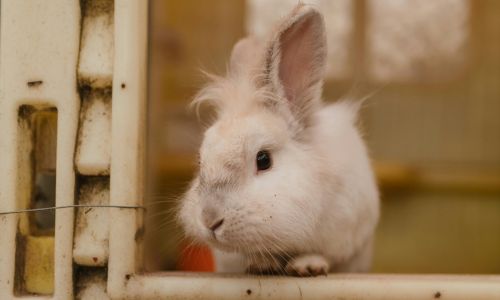
When bringing rabbits and guinea pigs indoors, Alpha Vets’ team recommend setting up a comfortable and safe indoor home:
- Space: Provide a large indoor enclosure or pen with plenty of room to hop, stretch and explore, situated in a quiet part of your home with minimal foot traffic.
- Bedding: Offer plenty of warm, absorbent bedding like hay or fleece to keep them cosy and snug.
- Temperature control: Make sure the room is well ventilated but free from draughts. Keep their enclosure away from radiators or heating vents to avoid overheating.
6. Maintain routine
Maintaining your pets’ regular feeding and cleaning routines is important during the transition. Keep their diet consistent, and ensure they always have access to fresh water and hay.
Our vets in Teddington advise that by paying attention to the above factors and with a little preparation, you can help ensure your rabbits and guinea pigs enjoy a comfortable and happy autumn and winter.
If you want personalised advice for yours, book a small pet check-up today.