Alpha Vets’ Guide to Sand Baths for Small Pets
October 22, 2025


If you’ve ever watched a chinchilla flip and roll happily in fine dust, you’ll know sand baths can be one of the most enjoyable parts of a small pet’s routine. But did you know that not all pets should have them, and that the type of sand you choose is just as important as the bath itself?
In this article, our vets at Alpha Vets have put together some guidelines on which pets can safely enjoy a sand bath and how to prepare the perfect sand bath. If you need more specific advice for your pet, just book an appointment with our veterinary team in Teddington to chat it through.
Why some pets love sand baths
In the wild, many small animals roll in sand or dust to keep their coats clean and healthy. Our team at Alpha Vets explain that the tiny particles absorb excess oils and remove dirt without water, which could otherwise chill them or damage their fur.
Which pets enjoy and benefit from sand baths
Recommended for:
- Chinchillas: Daily fine chinchilla dust baths keep coats silky and healthy.
- Degus: Similar to chinchillas, they need fine sand for coat care.
- Gerbils: Love to dig and roll in pet-safe sand for both grooming and enrichment.
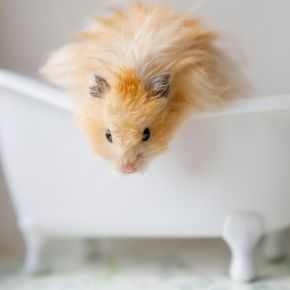
- Hamsters: Both Syrian and dwarf hamsters enjoy sand baths; these help remove grease and encourage natural digging behaviours.
Avoid sand baths for:
- Rabbits: Their lungs are sensitive, so dust and sand can cause respiratory problems.
- Guinea pigs: Don’t naturally dust-bathe; particles can irritate eyes and airways.
- Mice and rats: Prone to respiratory issues, so sand baths are generally not recommended unless advised by a vet.
Choosing the right sand
Our vets in Teddington recommend only using pet-safe chinchilla sand or bathing sand specifically designed for small animals. Avoid builders’ sand, play sand and calcium sand, which can be sharp or dangerous if ingested. For species like chinchillas and degus, fine bathing dust is best, whereas for hamsters and gerbils, a coarser bathing sand is safer for their respiratory systems. You can easily find bathing sand at pet stores around Greater London.
How to offer a safe sand bath
- Provide a heavy, tip-proof container large enough for your pet to roll in comfortably.
- Offer sand baths a few times a week, or daily for pets that need them (like chinchillas).
- Remove the sand after 15–20 minutes to prevent soiling.
- Keep the bathing area in a draft-free, warm spot.
If you’d like to read more information about caring for your small furry pet, take a look at our pet care news where we have plenty of guidance on a range of subjects from our vets in Teddington.
When to seek advice
If you’re not sure whether a sand bath is right for your pet, or if they have any existing skin or respiratory issues, make sure you book an appointment with our friendly vets at Alpha Vets for tailored advice.