Keeping Your Exotic Pet Happy: Food, Fun and Fitness
February 10, 2026


Exotic pets (from reptiles and birds to small mammals) bring unique joy to our homes, but they also have very specific needs when it comes to diet, activity and mental stimulation. Unlike cats or dogs, the ways in which exotic species engage with their environment and food can vary greatly, making a balanced approach essential for their health and wellbeing.
Alpha Vets’ exotics enthusiast Darren Partridge has compiled some must-read advice on providing the right care to help your exotic pet thrive at home.
If you have questions about looking after your pet, don’t hesitate to book an appointment or call us on 0208 943 2303 so we can give you tailored guidance.
Thriving exotics: tips for diet and mental stimulation
Understanding Species-Specific Needs
Vet Darren Partridge explains that different exotic pets have very different behavioural drives. Birds, for example, are highly intelligent and social, often requiring complex enrichment to prevent boredom and frustration. Providing puzzle feeders, foraging toys and opportunities for safe flight or climbing can help meet their mental and physical needs.
Small mammals such as hamsters, gerbils, and guinea pigs also thrive on exploration and foraging. Hiding food in tubes, cardboard structures or treat balls encourages natural behaviours and prevents inactivity-related health problems. For rabbits, combining hay-based diets with safe chew toys and digging areas can support both dental and digestive health while providing mental stimulation.
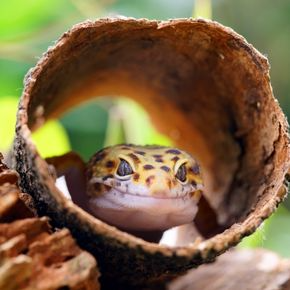
Reptiles, on the other hand, often rely on environmental enrichment rather than interactive play. Providing varied climbing structures, hides and basking spots can encourage natural behaviours such as climbing, burrowing, and thermoregulation, which are vital for their wellbeing. Diet must also be carefully balanced, as overfeeding or inappropriate food choices can quickly lead to nutritional imbalances.
The importance of routine
While enrichment is vital, routines also play an important role. Gradually introducing changes in diet or environment helps prevent stress and ensures your exotic pet can adapt comfortably. Darren advises that observation is key: noticing how your pet interacts with new enrichment, food or spaces can guide adjustments to keep them happy and healthy.
Consult our vets
Every exotic species has unique needs and what works for one may not work for another. Our veterinary team at Alpha Vets can advise on species-specific diets, enrichment ideas and activity recommendations tailored to your pet’s lifestyle and health. Balancing diet and mental stimulation isn’t just about keeping your exotic pet busy – it’s about supporting their long-term physical health, emotional wellbeing and overall quality of life. With thoughtful planning and attention, your exotic companion can thrive in a safe, engaging environment.
If you’d like personalised advice on caring for your exotic pet, book an appointment or give us a call on 0208 943 2303 – we’re here to help every step of the way.