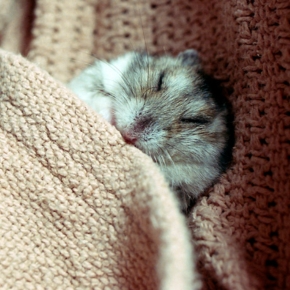
Claygate Vets Help Hamster Owners Differentiate Between Hibernation and Illness
December 11, 2024


Is your hamster sleeping more than usual or seeming unusually inactive? As the temperatures drop, it’s common for small pet owners to question whether their hamster might be hibernating or facing a health concern. Claygate Vets share tips to assess your hamster’s wellbeing and help them stay cosy and healthy this winter in Surrey.
Call us for hamster care advice on 01372 460107.
Do hamsters hibernate?
Unlike some other small animals, not all hamsters naturally hibernate, but they can enter a state called torpor when it gets very cold. Torpor is a short-term state where a hamster conserves energy by lowering their body temperature and activity level. In pet hamsters, torpor typically lasts from a few hours to a few days and is rarely prolonged for weeks or months, especially in warm home environments.
However, pet hamsters don’t need to hibernate, especially when they live indoors in controlled temperatures. Claygate Vets’ team share that if you think your hamster might be inactive due to the cold or you are concerned about their health, here are a few signs to check:
- Cold to the Touch: A hamster in torpor may feel colder than usual.
- Slow Breathing: Breathing slows down significantly, making it look like they’re barely breathing.
- Unresponsive to Noise: Normally, hamsters react to sounds, but in torpor, they may remain motionless.
If you’re unsure, remember to contact our vet practice in Claygate to discuss your hamster’s behaviour with our team.
How will I know if my hamster is unwell?
A sudden change in your hamster’s activity level could indicate an illness rather than torpor. Hamsters can develop respiratory infections, dental issues, and other common health problems that may cause lethargy. If you notice any of the following signs, reach out to our team at Claygate Vets for guidance:
- Laboured Breathing: Unlike torpor, laboured breathing may indicate a respiratory infection.
- Discharge or Wetness Around the Nose: This could signal a cold or infection.
- Loss of Appetite: If your hamster isn’t eating or drinking, it’s a sign something is wrong.
- Decreased Movement: If they’re not exploring, they may not feel well.
Call our vet practice in Claygate on 01372 460107 if you notice any of these symptoms.
If your hamster is stiff and unresponsive, this sadly indicates they have passed away rather than being in torpor. Contact our compassionate team at Claygate Vets for support or advice during this difficult time.
Can torpor be prevented?
Keeping your hamster’s living environment warm is the best way to prevent torpor. Our team at Claygate Vets are sharing a few simple tips to help you keep their enclosure cosy:
- Place their cage away from draughts, making sure to avoid areas by windows and doors where temperatures fluctuate.
- Use extra bedding that is soft and insulating to give them a warm, safe place to burrow.
- Ensure a consistent room temperature of around 18-22°C.
- Offer hiding spaces so they feel secure and snug.
For extra advice on keeping your hamster safe this winter, register your pet with Claygate Vets today.