Our Vet Darren Partridge Shares What You Should Know About Turtle Care
May 27, 2025


Turtles can make fascinating and low-maintenance pets, but they do require specific care to thrive. Whether you’re new to turtle ownership or just looking to ensure your shelled companion is living its best life, here’s what you need to know to provide the right environment and care.
Our Vet and exotic pet enthusiast Darren Partridge has prepared some quick tips below to help you. If you would like more tailored advice, book an appointment with Darren at our vet practice in East Molesey and they’ll be happy to help.
Turtle care – what you need to know
Setting up the right habitat
Darren’s first tip is that a suitable tank is essential for your turtle’s wellbeing and you´ll find a number of pet stores around Surrey that stock good quality tanks.
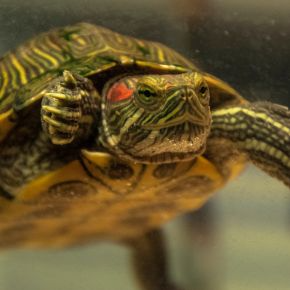
The size of the tank will depend on the species of turtle you have, but generally, a tank should be large enough to allow them to swim freely. Aquatic turtles, like the red-eared slider, need both water for swimming and a dry area for basking. A filtration system is key to keeping the water clean and safe.
Darren advises to ensure the water temperature is kept at an appropriate level, usually between 24-28°C, using a water heater. Turtles also need access to UVB lighting, as this helps them metabolise calcium and prevent shell deformities. Without this, they can develop serious health issues.
Diet and nutrition
Turtles are omnivores, meaning they eat both plant and animal matter. A balanced diet includes commercial turtle pellets, fresh leafy greens, and protein-rich foods like earthworms, insects, or small fish – all of which you´ll find at pet shops around Surrey. It’s crucial to provide variety to ensure your turtle gets all the nutrients it needs. Be cautious about overfeeding, as it can lead to obesity or shell deformities.
Regular health checks
Turtles can live for many years, so it’s important to monitor their health regularly. Look out for any signs of illness, such as lethargy, loss of appetite, or changes in shell condition. Shell rot, for example, can occur if the tank environment isn’t properly maintained. If you notice anything unusual, don’t hesitate to seek advice from our vets at Molesey Vets.
Social needs
While some turtles enjoy solitary life, others are more social. If you have more than one turtle, be mindful of their interactions. Territorial disputes can sometimes arise, so it’s important to keep an eye on their behaviour to ensure they’re getting along.
With proper care, turtles can make delightful and long-lived companions. Their needs may be specific, but they’re quite rewarding pets. If you’re ever unsure about how to meet your turtle’s requirements or if you spot any signs of illness, contact us at Molesey Vets for more advice. We’re always here to help your turtle live a long and healthy life!