How to care for your amphibian
If you’ve been searching for an ‘amphibian vet near me’, look no further. We’re happy to provide amphibian consultations at Molesey Vets. From frogs and toads, to newts and salamanders, your amphibian vet can offer advice, consultations and treatment to a range of amphibian pets. Find out more about what our amphibian vets can do for your pet at our veterinary surgery in Molesey, Surrey. Read about the types of consultations we can offer your amphibian.
Book an amphibian vet consultation
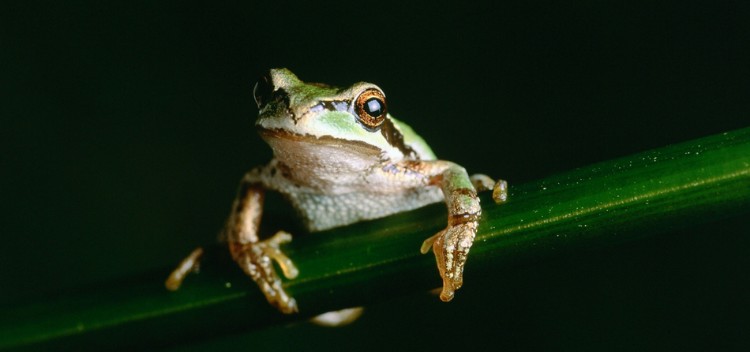
Amphibians are a fascinating class of animals, which includes frogs, toads, newts and salamanders. Did you know that there are over 6,000 different species. The species most commonly kept as pets and seen at the clinic include African clawed frogs (Xenopus species), White tree frogs (Litoria caerulea) and Ornate frogs (Ceratophrys species). Many children have kept tadpoles and watched them grow and change into little frogs before setting them free.
An important point to understand about amphibians is that although they are lumped with reptiles as “herptiles”, actually they are not that similar. In general terms, amphibians are unable to cope with husbandry problems compared to their reptilian counterparts. Amphibians are sensitive creatures, so they cannot tolerate temperature changes, water balance problems and environmental poisons due to the permeable and sensitive nature of their skin.
Amphibians are generally not easy pets to care for, as they have highly specific environmental and physiological needs. They thrive best in a carefully designed vivarium or tank that closely replicates their natural habitat, taking into account the species’ origin and ecological history.
Unfortunately, some households keep ornate frogs and other amphibians in simple glass bowls. This setup is inadequate and unfair to the animal, as it provides a barren and unstimulating environment that can lead to stress and poor health.
Water quality is one of the most critical aspects of amphibian care. The water must be clean and free from harmful substances. Tap water should be avoided unless properly treated, as it contains chlorine and other chemicals that can damage amphibians’ sensitive skin. Parameters such as pH, salinity, and water hardness must be tailored to the specific species, along with appropriate temperature and lighting conditions.
Most amphibians are extremely sensitive to overheating and rapid temperature changes. In the wild, they typically inhabit areas near rivers, lakes, or wetlands where seasonal shifts occur gradually. Replicating this stability in captivity is essential for their wellbeing.
Most amphibians are carnivorous, with many species being insectivores. This can make feeding them a challenge, especially when they are very small and require appropriately sized live prey. Sourcing the right food – such as fruit flies, pinhead crickets, or springtails – can be difficult and often requires planning ahead.
Amphibians also tend to be quite greedy feeders. They often gulp down food quickly, which presents two key concerns:
- Obesity – Without careful portion control, they can easily become overweight, which can lead to health issues.
Ingestion of Substrate – In their eagerness to eat, they may accidentally swallow small stones or pieces of substrate from their enclosure, which can cause digestive blockages.
To reduce these risks, it’s important to feed amphibians in a controlled environment and use a substrate that is safe or too large to be ingested. Feeding with tongs or in a separate feeding container can also help prevent accidental ingestion of non-food items.
Amphibians have extremely sensitive skin that plays a vital role in respiration and moisture regulation. Even brief contact with human skin can cause injury or stress due to the oils, salts, and potential contaminants we carry.
When cleaning their enclosure or transporting them – for example, to a veterinary surgery—always wear clean, powder-free gloves to protect their delicate skin. It’s also important to ensure their habitat is free from rough surfaces or sharp edges, as these can easily cause abrasions or injuries.
Minimising handling is best for their wellbeing. If handling is necessary, it should be done gently, with clean hands or gloves, and for the shortest time possible.
Amphibians are highly susceptible to skin diseases due to their delicate, permeable skin and the challenges of maintaining consistently high water quality. Even minor imbalances in their environment can lead to serious health issues.
Treating amphibians can be difficult – especially with slippery or easily stressed species – so prevention is key. The most effective way to protect them from illness is through excellent husbandry: maintaining clean, toxin-free water, stable temperatures, and appropriate humidity levels, along with a well-balanced diet and minimal handling.
Regular monitoring of their environment and behaviour can help catch early signs of illness before they become severe.
Both reptiles and amphibians can carry Salmonella bacteria in their digestive systems without showing any signs of illness. However, this bacteria can pose a serious health risk to humans – especially young children, the elderly, or those with weakened immune systems.
To reduce the risk of transmission, it’s essential to practice good hygiene. Always wear gloves when handling your pet or cleaning its enclosure, and wash your hands thoroughly afterward. Children should be taught proper hygiene and safe handling practices, including not kissing or closely cuddling these animals.
Maintaining a clean environment and handling your pet responsibly helps protect both the animal and your household.
If you would like more advice on caring for amphibians, contact our friendly team who will be happy to help.
You might like to read: