Cold-Weather Care: Your Winter Pet Welfare Guide
December 11, 2025


As the temperature drops and the nights grow longer, our pets rely on us to help them stay warm, comfortable and healthy. Here at Claygate Vets, our team have pulled together some simple winter welfare tips to help dogs, cats, small furries, birds and exotic pets through the coldest months.
If you’d like tailored advice on what your pet might need as the weather turns colder, our veterinary team in Claygate are here to offer personalised, practical guidance. Get in touch for advice or to book a consultation to combine this with a winter pet health check.
Contact us for advice or to book
Winter welfare tips for pets
For dogs
Our vets in Claygate explain that cold, wet weather can be hard on dogs, especially older ones with arthritis.
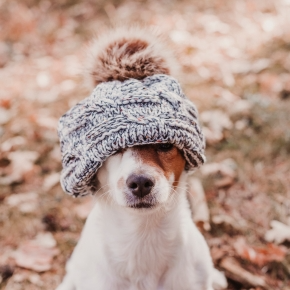
- Keep walks shorter on freezing days, towel them dry afterwards and consider a warm dog coat for extra comfort.
- Check paws regularly for cracks or salt irritation—a thin layer of pet-safe paw balm can help protect them.
- Avoid leaving dogs in cold cars or letting them drink from puddles, which can contain toxic antifreeze or road salt.
For cats
- Cats love warmth and routine. Encourage them to stay indoors more often by providing cosy sleeping areas and indoor enrichment such as climbing posts and puzzle feeders.
- Always check under car bonnets before starting the engine as cats often curl up on warm engines to escape the cold.
- Be cautious with antifreeze and clean up any spills immediately; even a small amount is highly toxic to cats.
For small furries
Rabbits, guinea pigs, hamsters and mice all need extra insulation in winter.
- Our team at Claygate Vets suggest moving any outdoor hutches into sheltered areas (or indoors if possible), away from draughts and line them with plenty of hay and bedding.
- Move any indoor cage set-ups away from windows and draughts.
- Keep small furry pets away from open fires and gas heaters, as the fumes, smoke, and dry air can irritate their sensitive respiratory systems and cause breathing difficulties—plus, the extra heat could cause pets to overheat.
- Check water bottles regularly, as they can freeze overnight.
- Increase daily checks to ensure your pets stay warm and dry.
For reptiles like snakes, lizards and tortoises
Reptiles depend on external heat sources to regulate their body temperature, so cold weather in Surrey can quickly affect their health.
- Monitor vivarium temperatures daily as cold rooms or power cuts can lower temperatures fast.
- Ensure heat mats and UVB bulbs are functioning properly and replace bulbs at the manufacturer’s recommended intervals.
- Avoid placing tanks near windows or radiators where temperatures fluctuate.
- Tortoises should never hibernate unless healthy and correctly prepared. Call us on 01372 460107 for guidance from our vets in Claygate before hibernation.
For birds like parrots, budgies and cockatiels
Birds can be sensitive to cold and drafts during the winter months.
- Keep cages away from windows and exterior doors.
- Maintain a stable indoor temperature and ensure good air quality.
- Avoid direct exposure to fires or plug-in heaters.
- Provide extra foraging toys and natural perches to prevent boredom during long indoor days.
- A light misting or humidifier can prevent dry skin and feather issues from central heating.
For fish (tropical and coldwater)
- Check that tank heaters and thermometers are working correctly.
- Avoid sudden temperature swings during water changes—pre-warm replacement water for tropical tanks.
- Ensure tanks aren’t near drafty windows or radiators.
Winter can be a happy season for pets if we make a few thoughtful adjustments. If you’re unsure how to adapt your pet’s environment or routine for the colder days and longer nights, our team at Claygate Vets are always happy to help with practical, tailored advice. Give us a call for advice or to book a consultation.
Contact us for advice or to book