Claygate Vets on How to Protect Pets from Deadly Flystrike
May 11, 2026


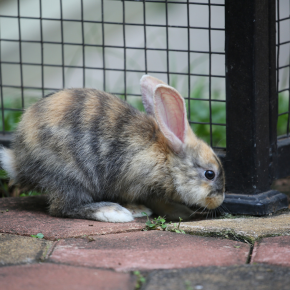
Flystrike (myiasis) is one of the most serious summer risks for rabbits and guinea pigs around Surrey. During warm, humid weather, blowflies can lay eggs on your pet’s fur, often around the rear end. These eggs hatch into maggots that burrow into the skin, causing severe pain, shock and potentially fatal infection. This can all happen in under 12 hours, making flystrike a serious threat to small pet health.
Prevention is always better than emergency treatment. Flystrike should never be a reactive issue—it requires daily vigilance. In the article below, our vets in Claygate explain how to prepare and protect your pet.
Book an appointment for tailored advice from our team at Claygate Vets to ensure your small pet is fully protected this summer.
Flystrike advice for rabbits & guinea pigs
A zero-tolerance approach to flies
Your flystrike prevention protocol should include:
- Twice-daily rear-end checks (morning and evening), looking for damp fur, soiling, redness or small white eggs.
- Meticulous hygiene: Remove soiled bedding daily and deep-clean hutches regularly.
- Diet management: Prevent digestive upsets that cause soft stools, which attract flies.
- Topical preventative treatments: Ask our vets at Claygate Vets about the best option for your pets.
How topical prevention works
Modern topical treatments prescribed by our vets in Claygate are not simple repellents. They are insect growth regulators (IGRs).
- Application: A liquid is applied to the fur around the rear, hips and underbelly.
- Mechanism: If a blowfly lays eggs, the treatment prevents them from developing into damaging larvae.
- Duration: One application typically protects for 8–10 weeks, covering peak UK fly season.
With British summers becoming warmer and more humid, blowfly populations are appearing earlier and remaining active longer. Topical prevention acts as a vital safety net, but it is not a substitute for hygiene. Even treated pets must still have daily hutch cleaning and twice-daily checks.
Call us on 01372 460107 to seek prompt advice from our vets if you spot any signs of infestation.
Hidden risks
Even a seemingly clean rabbit can be targeted if they have a minor digestive upset, urinary leakage, obesity (making grooming difficult), or small skin folds. Guinea pigs are also vulnerable, particularly long-haired breeds.
A critical safety warning
Our team at Claygate Vets warns never to use flea treatments designed for dogs or cats on rabbits or guinea pigs. Some common ingredients are highly toxic to small mammals. Always use a vet-prescribed product licensed specifically for them.
Flystrike is one of the most important, yet often overlooked, summer health risks for small furries in Surrey. With a strict prevention plan, you can dramatically reduce the risk and protect your pet from a life-threatening emergency.
If you would like personalised guidance on hygiene, weight management or preventative treatments, book an appointment at Claygate Vets today.
Book an appointment for tailored advice
Looking for more advice on caring for your small furry pet? Be sure to check our other articles for tips from our vets in Claygate.