Darren Discusses Age Related Conditions in Exotic Pets
May 11, 2026


Exotic pets often live longer than many owners expect, and with longevity comes age-related issues. Unlike dogs and cats, birds and reptiles are highly adept at masking illness, a survival instinct that can delay diagnosis. In our article below, our exotics enthusiast Darren shares the key age-related illnesses that may be experienced by your exotic pet.
Subtle behavioural or posture changes are often the first clue that something is wrong. If you have any concerns, book an exotic pet wellness check at Molesey Vets to ensure your pet’s environment and health plan are properly adapted for their senior years.
Age-related conditions in exotic pets
Ageing birds: cardiovascular and joint health
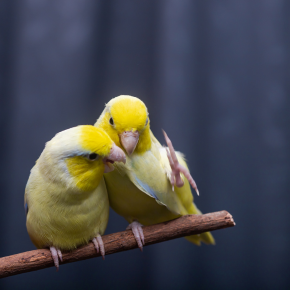
In parrots and other companion birds, atherosclerosis (hardening and narrowing of the arteries) is a significant age-related concern. Darren warns that it can lead to reduced stamina, breathlessness, or sudden collapse. Diets high in fat and limited flight opportunities increase the risk.
Arthritis is also common in older birds. You may notice reluctance to perch, difficulty climbing cage bars, or changes in grip strength. Because birds instinctively hide weakness, these signs are often subtle.
Environmental optimisation is critical: so Darren’s tips are to:
- Provide varied perch diameters and softer, supportive perches.
- Lower food and water stations to reduce climbing strain.
- Encourage safe, controlled exercise where appropriate.
Ageing reptiles: metabolic and renal strain
In reptiles, long-term husbandry plays a central role in geriatric health. Metabolic Bone Disease (MBD), often linked to inadequate UVB exposure or calcium imbalance, may not become clinically obvious until later life. Signs can include limb weakness, jaw softening, or spinal deformity.
Renal failure is another common issue in older reptiles, particularly tortoises and lizards. Chronic dehydration, suboptimal humidity, or inappropriate dietary protein can place sustained stress on the kidneys. Early signs may include lethargy, reduced appetite, or changes in urate consistency.
Darren explains that for reptiles, environmental optimisation is not optional — – it is therapeutic:
- Review UVB lighting intensity and bulb age (most require replacement every 6–12 months).
- Monitor temperature gradients carefully to support metabolism.
- Adjust humidity to species-specific requirements.
- Modify enclosure accessibility to reduce climbing or basking strain in weaker animals.
Proactive monitoring
Because exotic pets conceal illness so effectively, routine geriatric screening is invaluable. Darren recommends weight trends, blood analysis (where feasible), and husbandry audits which allow us to detect metabolic changes before they become advanced.
Ageing in exotic species is rarely dramatic; it is incremental and easily missed. With tailored environmental adjustments and early clinical intervention from our vets in East Molesey, many senior birds and reptiles can maintain quality of life for years.
If your exotic companion is entering their later years, don’t wait for obvious signs of illness. Book an appointment at Molesey Vets for specialist guidance on nutrition, lighting, enclosure design and age-related disease monitoring.