Summer UV and Humidity Advice for Birds and Reptiles in Surrey
June 18, 2026


Many exotic pet owners assume that because their pets come from warmer climates, summer doesn’t require much change — but seasonal shifts in temperature, UV exposure, and humidity can quickly disrupt the carefully balanced environments these animals rely on.
As temperatures rise across Surrey, it’s not just heat that needs attention. For reptiles, birds, and other exotic species, changes in UV levels and humidity can have a significant impact on their health and wellbeing if not properly managed.
Our Vet and Exotics enthusiast, Darren Partridge at Molesey Vets, explains that we often see issues arise during the summer months due to incorrect lighting or unstable humidity levels. Understanding how to adjust your pet’s enclosure during warmer weather can help prevent avoidable health problems.
Remember that each species is unique and will require different adjustments — if you want tailored advise on your exotic, book an appointment with our friendly team of exotic enthusiasts.
Book an exotic pet wellness check
Summer Care for Reptiles
Reptiles are particularly sensitive to changes in UV exposure, temperature, and humidity, making summer adjustments essential. Darren explains, while it may seem like added warmth is beneficial, overheating and incorrect UV balance can quickly become harmful.
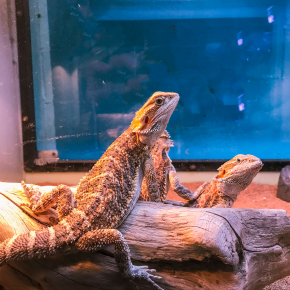
Species like bearded dragons rely on consistent UVB lighting to support calcium absorption and bone health. Their UVB lamp should always remain on a controlled timer, as natural sunlight through windows does not provide adequate UVB.
Meanwhile, tropical species such as crested geckos require higher humidity levels, which can drop in warmer weather, leading to dehydration or shedding issues if not monitored closely.
Darren advises regularly checking both temperature gradients and humidity levels within the enclosure, as these can fluctuate more rapidly in summer. It’s also important to ensure basking areas don’t become too hot as ambient room temperatures rise. Using a thermometer and hygrometer can help you keep conditions stable.
As care requirements vary widely between species, always research the specific needs of your reptile to ensure their setup remains safe and stable.
Summer Care for Birds
Birds can also be affected by rising temperatures and changes in air quality during the summer months, they are highly sensitive to heat, humidity, and poor ventilation.
For instance, budgerigars (budgies) cope best in well-ventilated environments and can become stressed in hot, stagnant air.
Larger parrots, such as African greys, are particularly prone to dehydration and may require more frequent access to fresh water and opportunities to bathe or mist during warmer weather.
Watch for signs of overheating such as panting, fluffed feathers, or reduced activity, which may indicate your bird is overheating.
Darren recommends ensuring cages are kept out of direct sunlight and that airflow is improved without creating strong drafts.
At Molesey Vets, we know small environmental changes can make a big difference to exotic pets during summer. If you’re unsure whether your setup is suitable, or have any concerns, book an exotic pet wellness check with our team today