Exotic Pet Feeding Advice for Surrey Owners
July 16, 2026


It’s common for exotic pet owners in Surrey to notice subtle changes in feeding behaviour during the summer months. Seasonal shifts in temperature and daylight can influence metabolism, activity levels and appetite across a wide range of species.
At Molesey Vets, our veterinary team share that while some variation in feeding patterns can be normal, it’s important to understand what is expected for your specific pet, and when a change may indicate an underlying issue.
In this article, our vet and exotics enthusiast Darren Partridge, explains what to expect across different species, how summer conditions can affect feeding, and when to seek veterinary advice.
If you’re concerned about your exotic pet’s appetite or diet, book an appointment with Darren.
Book an exotic pet wellness check
Reptiles
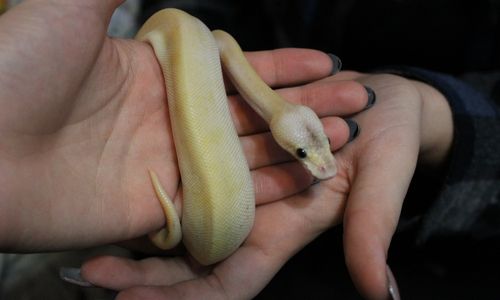
Reptiles are highly sensitive to seasonal changes, as their metabolism depends on external temperatures. In warmer conditions, some species, such as many lizards, may become more active and show an increased appetite as their metabolism speeds up. In contrast, reptiles like snakes may eat less frequently during periods of excessive heat, particularly if enclosure temperatures exceed their optimal range, leading them to conserve energy.
Feeding patterns also vary by age, with younger reptiles typically eating more frequently than adults. Darren advises that any change in appetite should be assessed alongside temperature, lighting and overall husbandry, as these directly impact a reptile’s ability to feed normally.
If you want tailored advice for your reptile, book an appointment with Darren.
Birds
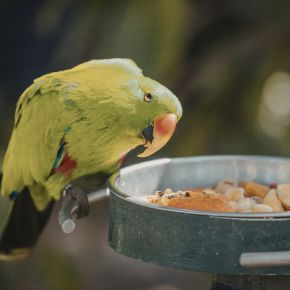
Seasonal changes can also influence bird feeding habits, although this varies by species. In warmer weather, some birds may eat slightly less if they are less active, while others remain consistent but adjust their feeding patterns throughout the day.
A balanced diet remains essential, including pellets, seeds, and fresh foods such as fruits and vegetables. Many species naturally forage, so offering variety can help maintain interest in food.
Our vets in East Molesey advise that any noticeable drop in appetite, selective feeding, or behavioural changes should be monitored closely, as these can sometimes indicate underlying health concerns.
Small exotic mammals
Small exotic mammals, such as ferrets and rodents, may also show seasonal variation in appetite. Higher temperatures in Surrey may lead to reduced activity, which can naturally result in lower food consumption.
However, these species have high metabolic demands, so even short periods of reduced intake can become significant. Close monitoring is important to ensure they continue to eat regularly.
If you have any concerns about your exotic pet’s appetite, behaviour or overall health, arrange an appointment.