Free-Roaming Rabbits and Guinea Pigs in Surrey
August 17, 2026


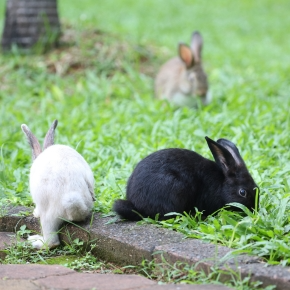
Supervised time outdoors is one of the best things you can offer a rabbit or guinea pig during the summer months. But the team at Claygate Vets explain that the garden comes with risks that are easy to overlook – and a little preparation goes a long way towards keeping outdoor time safe and enjoyable.
If you’re based in Surrey and have questions about your setup, our team are happy to help – book an appointment today.
Book an appointment for tailored advice
Secure fencing and predator-proofing
Even a well-fenced garden can have gaps that a determined predator – or a curious rabbit – can exploit. Before letting your pet roam freely, Claygate Vets’ team suggest checking the following:
- Check the perimeter: Look for gaps at ground level, particularly under gates and fences. Rabbits and guinea pigs can squeeze through surprisingly small spaces.
- Consider a run or pen: The team at Claygate Vets recommend a sturdy, enclosed run with a mesh roof, as this protects small pets from birds of prey as well as ground-level predators.
- Supervise closely: Even in a secure garden, rabbits and guinea pigs should not be left unattended for extended periods. Predators can act quickly, and small pets can launch an escape attempt, overheat or become distressed without warning
Shade, water, and overheating
Rabbits and guinea pigs are particularly vulnerable to heatstroke, and summer temperatures can rise quickly. Shaded areas that feel cool in the morning may be in full sun by midday, so it’s worth checking conditions throughout the day rather than assuming a shaded spot will remain so.
Always ensure fresh water is accessible at ground level in the outdoor area. Our team in Claygate recommend checking water frequently during warm weather, as it can warm up quickly and become less appealing to drink.
Signs of overheating include rapid breathing, lethargy, and loss of coordination. If you notice any of these, move your pet to a cool shaded area immediately and contact us straight away.
Safe grazing and toxic plants
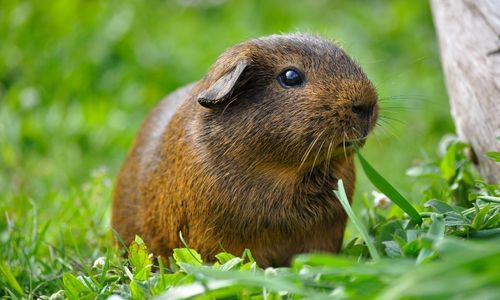
Fresh grass is a wonderful natural food source for both rabbits and guinea pigs, but not all gardens are safe for grazing. Our team at Claygate Vets advise checking the following before allowing free-range access:
- Avoid treated lawns: Grass that has been treated with fertilisers, pesticides, or weedkillers can be toxic if ingested. If your lawn has been treated recently, keep pets off it until it has had several days of rain or watering
- Check for toxic plants: Many common garden plants are harmful to rabbits and guinea pigs, including buttercups, foxgloves, daffodil bulbs, rhubarb leaves, and ivy. Remove these from any area your pet will access, or restrict access to a designated safe zone
- Avoid clippings: Freshly cut grass can ferment quickly and cause digestive problems. Stick to grazing on established lawn rather than offering grass cuttings as a snack
How long is safe?
There’s no single rule for how long rabbits and guinea pigs can safely free-range, as it depends on the temperature, the security of the space, and whether supervision is possible. Our veterinary team at Claygate Vets recommend starting with shorter sessions of one to three hours, ideally in the cooler parts of the day – early morning or late afternoon – particularly during the warmer summer months.
If you’d like tailored advice on setting up a safe outdoor space, our friendly team at Claygate Vets are here to help – book an appointment for tailored advice.