Hibernation or Not? What Exotic Pet Owners in Surrey Need to Know
September 10, 2026


As the nights in Surrey draw in, it’s natural to wonder whether your exotic pet needs to hibernate for autumn and winter. The truth is more complicated than many owners realise and is important to understand. Here, our vet Darren Partridge explains what really happens with hibernation, which pets are affected, and how to keep your animal safe as the seasons change.
If you’d like to discuss your pet’s specific needs ahead of autumn, book a consultation with our team.
Which pets hibernate?
True hibernation is a specific biological process, not simply “slowing down” for winter, and Darren emphasises that most house pets don’t do it at all.
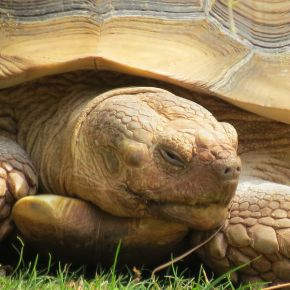
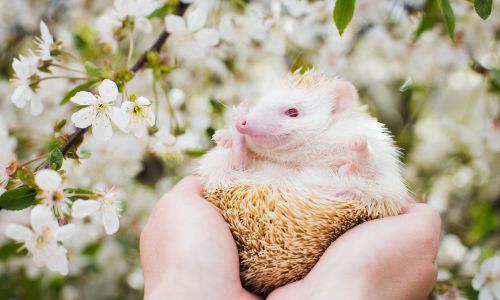
Pet tortoises are the main exception, as they can hibernate (technically called brumation), but only when it’s deliberately managed by the owner and vet. Other exotic pets, including pet hedgehogs, don’t hibernate in this true sense. Instead, if they get too cold, their body simply starts to slow down, which is a warning sign of stress or poor husbandry, not a safe seasonal state.
Does my tortoise need to hibernate?
Not every tortoise needs to hibernate, and it depends on the species. Tortoises from Europe and West Asia, such as Russian, Hermann’s, and spur-thighed tortoises, hibernate naturally and generally benefit from doing so in captivity. Tropical species like Sulcata and Leopard tortoises don’t hibernate in the wild and should be kept warm year-round instead. If you’re unsure which category your tortoise falls into, our vet Darren Partridge can help you identify the species and advise accordingly.
For species that do hibernate, it’s healthier to do this every year rather than skip it, as it keeps growth and metabolism on a natural track. However, very young, unwell, or underweight tortoises shouldn’t be hibernated, as they lack the fat reserves to survive it safely. A pre-hibernation health check with Darren is the best way to confirm your tortoise is fit for the process.
Preparing your tortoise for hibernation
Preparation is essential to keep your tortoise safe throughout the process:
- First and foremost, hibernation should never be attempted without guidance. If you’re planning to hibernate a tortoise this year, speak to our vet Darren first for a health check and clear guidance on timing, temperature, and monitoring.
- Taper food intake beforehand so the stomach is empty before hibernation begins
- Check weight to confirm the tortoise has enough fat reserves and is fit for hibernation
- Control temperature carefully throughout, as getting too warm risks early waking and starvation, while getting too cold risks death
- Wake gradually, making sure food and water are available once the tortoise is fully alert
The bottom line
Hibernation isn’t a one-size-fits-all rule for exotic pets. Tortoises may need it, pet hedgehogs never do, and getting either wrong can put your pet at risk.
If you’re unsure what your pet needs this autumn, Darren and our team at Molesey Vets are on hand to help you plan safely, whatever species you keep. Book an appointment today