Is winter heat stroke in dogs a real thing?
January 29, 2024


Many dog owners may not perceive heat stroke in dogs as a concern when the weather turns colder. According to Vet Darren Partridge, while this condition is commonly associated with summer, there are specific situations that may elevate the risk of your canine companion experiencing heat stroke even in winter. It’s advisable to keep Molesey Vets’ phone number saved on your phone and reach out to us if your pet seems unwell – call 0208 979 1384.
Contact us if your dog has heat stroke symptoms
Winter heat stroke in dogs and how to prevent it – understanding the factors:
Overheated rooms
If your house becomes excessively warm due to issues with heating systems, prolonged use of space heaters, or inadequate ventilation in closed-off rooms, Darren warns that your pet could be susceptible to heat stroke. It’s crucial to maintain indoor temperatures that are comfortable for your dog and avoid excessive warmth.
Leaving pets in cars
Animals left alone in parked vehicles during winter may face the threat of heat stroke if the interior becomes excessively warm, as the sun’s rays can still raise temperatures even on chilly days. Conversely, being left in a cold vehicle could result in hypothermia.
Overdressing pets
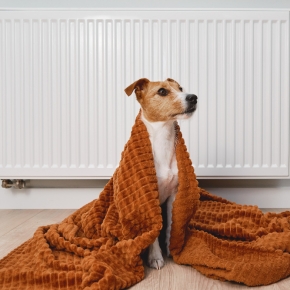
Maintaining the warmth of your pets during winter walks in and around Molesey is crucial. However, be cautious not to over-dress them with heavy coats or sweaters, as this can lead to overheating. It’s important to choose attire that suits the weather and temperature conditions. When indoors, remove any extra layers and use blankets to provide warmth, allowing your pet the option to move out from under them if they become too warm.
Exertion
During strenuous physical activities such as running or playing fetch, dogs can generate significant body heat, leading to overheating even in cold weather. Darren advises paying attention to signs of overheating during winter activities, as outlined below.
Remember, the symptoms of heat stroke in dogs can include heavy panting, drooling, weakness, vomiting, and even collapse.
How to prevent winter heatstroke – a summary:
- Ensure a comfortable indoor setting with controlled temperatures.
- Never leave pets alone in parked vehicles, even in chilly weather.
- Keep a close eye on pets for signs of overheating during outdoor activities, and take breaks when necessary.
- Dress pets suitably for the weather, taking into account their breed and size.
- When inside, use blankets rather than dog clothing to keep your dog warm.
- Regularly inspect heating devices or appliances in the home to prevent excessive indoor heat.
If you suspect your pet is experiencing heat stroke, seek immediate veterinary help by calling Molesey Vets on 0208 979 1384 and take steps to cool your pet down gradually while waiting for professional help.
Contact us if your dog has heat stroke symptoms