Lumps on Pet Rodents – A Guide from Molesey Vets
August 18, 2025


Owning a small furry pet is great! They’re cute, friendly and active, but they do suffer from their own share of diseases, just like cats and dogs. Lumps and bumps are common in pet rodents however they are not always harmful and do not always need removing.
Read our guide from the team at Molesey Vets below to find out more and book an appointment if you have any concerns about a lump on your furry friend.
What to look out for on pet rodents
Lumps and bumps come in many different shapes and sizes, so here are the common problems each of the furry animals suffer from:
Common hamster lumps & bumps
Hamsters are prone to testicular or mammary lumps. If either of their testicles or nipples are hard or even distended, there could be a tumour or mastitis (inflammation of the mammary gland) present. Facial lumps are often caused by dental issues or abscesses. Any lumps on the body (if ulcerated) could be dangerous, so contact Molesey Vets to book an appointment.
Lumps and bumps on guinea pigs
With guinea pigs, abscesses often appear on the head, neck, and in the mouth; cysts appear on the back; and tumours often develop on the tail and chest – always best to get these checked out.
Finding lumps of pet rats and mice
Our vets in East Molesey explain that these rodents are prone to abscesses, enlarged lymph nodes and tumours due to their high oestrogen levels leading to rapid cell division.
Lump problems for gerbils
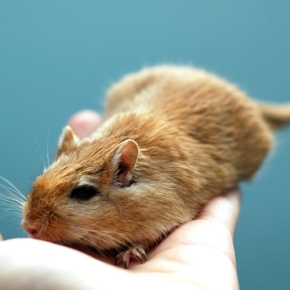
Our team at Molesey Vets reveal that gerbils are prone to abscesses formed from bacterial build-ups and tumours developing on their scent glands, skin, testicles and teats.
Treatment for lumps and bumps on pet rodents
Not all lumps need to be removed. If the lump is due to a bacterial infection, it will most likely be treated with a course of antibiotics. However, if the bump is caused by excess fluid (a cyst or enlarged lymph nodes), they can typically be drained by our vets at Molesey Vets. However, tumours can usually be surgically removed if benign or at an early cancerous stage.
To help spot any of these abnormalities, there are some typical signs you can look out for:
- A change in behaviour
- A reduced appetite
- Smelly breath
- You can feel or see lumps or sores on your pet
If you spot any of these signs, contact our vets in East Molesey for further advice or to book an appointment for your small pet.