Tiny Teeth, Big Impact: Dental Care for Small Pets
February 10, 2026


When we think about pet dental care, cats and dogs usually come to mind first. But for rabbits and guinea pigs, healthy teeth are just as important – if not more so. These small pets rely on their teeth constantly for eating, grooming and staying well, and dental problems can have a serious impact on their comfort and quality of life.
In the article below, our vets in Claygate offer advice on how to take care of your small furry’s teeth, as well as guidance on the signs of dental issues in rabbits and guinea pigs.
If your pet requires dental treatment or you need help examining their teeth, book an appointment for a check-up with our team at Claygate Vets.
Book a dental appointment for your small furry
Looking after rabbit and guinea pig teeth
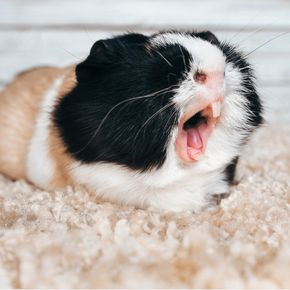
Unlike cats and dogs, rabbits’ and guinea pigs’ teeth grow continuously throughout their lives. This means they depend on regular, even wear to keep their teeth at the correct length and shape. If the teeth don’t wear down properly, they can become overgrown, misaligned or develop sharp points, leading to pain, difficulty eating and secondary health problems.
The right diet for small furry teeth
Claygate Vets’ vets explain that diet plays a crucial role in dental health for small furries. A constant supply of good-quality hay is essential, as the long fibres encourage natural chewing and help wear the teeth evenly. Without enough hay, teeth can overgrow quickly, even if pellets and vegetables are being offered.
Signs of dental issues
Common signs of dental problems in rabbits and guinea pigs can be subtle. Our vets in Claygate share that you may notice reduced appetite, selective eating, drooling, weight loss or changes in droppings. Some pets become quieter or less active, while others may show signs of discomfort such as grinding their teeth. Because small pets are very good at hiding pain, dental disease is often well advanced before it is spotted.
Dental issues don’t just affect the mouth. When chewing becomes painful, pets may eat less or avoid fibrous foods, which can lead to digestive problems, gut stasis and further illness. This close link between dental health and digestion makes early detection especially important.
The importance of preventative veterinary care
Regular health checks allow our vets in Claygate to assess your pet’s teeth, jaw alignment and overall condition. While not all dental issues can be prevented, early intervention can make a significant difference to comfort and long-term wellbeing.
If you have a rabbit or guinea pig and are unsure whether their teeth are healthy, or if you’ve noticed changes in their eating or behaviour, our vets at Claygate Vets are always happy to offer advice and support.
Looking after those little teeth plays a big role in keeping small pets happy, comfortable and thriving – book an appointment for a dental examination.